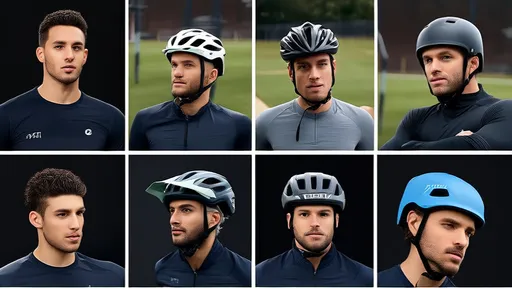
For the active man, finding the perfect balance between style and functionality can be a constant challenge, especially when it involves headgear. The intersection of a great hairstyle and the necessity of wearing a helmet for sports like cycling, motorcycling, or skiing is a common point of friction. It’s not merely about aesthetics; it's about comfort, safety, and practicality. A helmet is non-negotiable for protection, but that doesn't mean your hair has to suffer or your style has to be completely abandoned. This guide delves into the nuances of selecting and maintaining a hairstyle that not only survives but thrives under a helmet.
The primary consideration, before any discussion of style, is the uncompromising importance of a proper helmet fit. A helmet that is too tight can cause pressure points, headaches, and even damage hair follicles, leading to breakage or traction alopecia over time. Conversely, a helmet that is too loose will shift around, compromising safety and causing friction that tangles and messes hair. Your first step is always to get professionally fitted for a helmet specific to your sport. Once safety is assured, we can then explore how to work with your hair.
Short hairstyles have long been the default choice for helmet wearers due to their low maintenance and minimal conflict with headgear. A classic crew cut or buzz cut offers virtually no resistance when putting on or taking off a helmet. There's nothing to get matted or flattened. For those seeking a slightly more styled look, a short textured crop works exceptionally well. Using a matte product like clay or paste, you can create definition and volume on top. The beauty of this style is that after helmet removal, a quick ruffle with the fingers is often enough to reintroduce texture and shape, making it incredibly practical for commuters who cycle to the office.
Medium-length hair offers more versatility but requires more strategic management. The key here is control and preparation. An undercut style, where the sides and back are kept short while the top is left longer, is a fantastic solution. The shorter sides eliminate bulk, making the helmet easier to put on and more comfortable to wear. The longer top can be styled forward, swept back, or to the side. Before donning the helmet, it's advisable to pull the hair back into a very low, loose ponytail or bun if length permits, positioning it at the nape of the neck to sit comfortably within the helmet's cavity. This prevents the hair from being pressed awkwardly against the scalp and minimizes tangling.
For men with long hair, the challenge is greatest, but the solutions are clear and effective. The absolute best practice is to always tie long hair back. A low ponytail or a braid is ideal. A single braid, whether a simple three-strand plait or a more secure French braid, keeps hair contained, prevents massive knots, and distributes the pressure from the helmet's retention system more evenly across the head. It also avoids creating a large lump of hair that can disrupt the helmet's fit and safety. Loose hair under a helmet is a recipe for extreme tangles, discomfort, and an increased risk of it getting caught in straps or buckles.
Beyond the cut itself, the products you use play a pivotal role in helmet compatibility. Heavy, wet-look products like gels and high-shine pomades are a poor choice. They create a stiff, crunchy texture that, when compressed by a helmet, can lead to an odd, helmet-shaped dent and an unpleasant, greasy feeling upon removal. Instead, opt for flexible, dry-finish products. Texturizing powders, sea salt sprays, and matte clays provide hold and volume without the rigidity. They are designed to be re-workable; after you take your helmet off, you can easily reshape your hair with your hands without needing to apply more product or add grease.
The post-helmet recovery ritual is just as important as the pre-helmet preparation. Simply yanking the helmet off and going about your day might work for a buzz cut, but for most styles, a little attention is needed. Gently finger-comb your hair to break up any flat spots and redistribute its natural volume. Carrying a small, travel-sized dry shampoo can be a game-changer, especially for those with finer hair that tends to get oily. A quick spray at the roots can absorb sweat and oil, refresh the hair, and add back some of the volume that was compressed. For longer hair, always have a wide-tooth comb or a detangling brush on hand to carefully work out any knots that formed during your activity.
It's also wise to consider the material of your helmet's interior. Many modern helmets feature moisture-wicking and anti-odor padding, which is not only more comfortable but also healthier for your scalp and hair. These materials help pull sweat away from your head, keeping you cooler and reducing the amount of sweat that saturates your hairline and style. If your helmet has removable liners, make it a habit to wash them regularly according to the manufacturer's instructions to prevent the buildup of bacteria, oils, and old product, which can transfer back to your hair and scalp.
Ultimately, the goal is to embrace a holistic approach. Your hairstyle and your helmet are not adversaries; they are partners in your active lifestyle. The ideal sports hairstyle is one that you feel confident in both before you put the helmet on and after you take it off. It requires an understanding of your hair type, the demands of your sport, and a small arsenal of techniques and products. By choosing the right cut, employing smart pre-helmet styling, using compatible products, and performing a quick post-activity refresh, you can ensure that your commitment to safety never comes at the expense of your personal style. It’s about working with your hair, not against it, and certainly not against the essential protection your helmet provides.
By /Aug 25, 2025

By /Aug 25, 2025
By /Aug 25, 2025

By /Aug 25, 2025
By /Aug 25, 2025

By /Aug 25, 2025

By /Aug 25, 2025

By /Aug 25, 2025

By /Aug 25, 2025

By /Aug 25, 2025

By /Aug 25, 2025
By /Aug 25, 2025
By /Aug 25, 2025

By /Aug 25, 2025

By /Aug 25, 2025

By /Aug 25, 2025

By /Aug 25, 2025
By /Aug 25, 2025

By /Aug 25, 2025

By /Aug 25, 2025
