Pregnancy is a transformative journey that invites both celebration and caution, particularly when it comes to physical activity. The notion that expectant mothers should avoid all exercise is outdated; in fact, staying active can yield profound benefits for both maternal and fetal health. However, the key lies in understanding which movements are safe and which pose absolute risks. This guide delves into the nuances of prenatal fitness, offering evidence-based insights to help you navigate this special time with confidence and care.
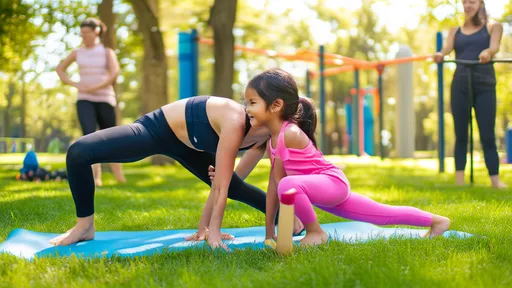
Engaging in regular, moderate exercise during pregnancy can enhance cardiovascular health, improve mood, and even reduce the risk of gestational diabetes and preeclampsia. Activities like walking, swimming, and prenatal yoga are widely recommended because they are low-impact yet effective in maintaining strength and flexibility. These exercises promote better circulation, which can alleviate common discomforts such as swelling and back pain. Moreover, they prepare the body for the physical demands of labor, potentially leading to a smoother delivery process.
It is crucial, however, to listen to your body and adapt your routine as your pregnancy progresses. The second trimester often brings a surge of energy, making it an ideal time for consistent activity, while the third trimester may require modifications to accommodate your growing belly and shifting center of gravity. Always consult with your healthcare provider before starting any new exercise regimen, especially if you have pre-existing conditions or pregnancy complications. Their personalized advice will ensure that your fitness plan aligns with your unique health profile.
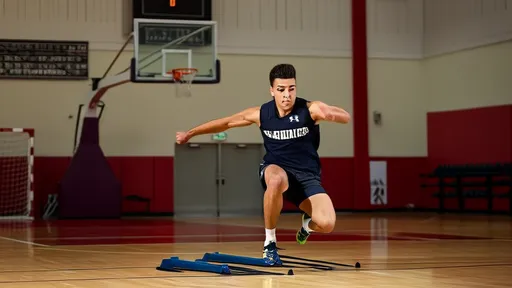
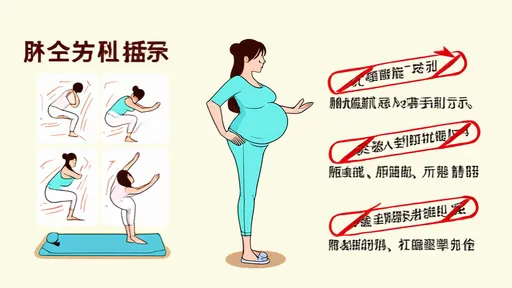
Despite the green light for many activities, certain exercises are considered absolute contraindications during pregnancy. High-impact sports like skiing, horseback riding, or contact sports such as soccer or basketball carry a significant risk of falls or abdominal trauma, which could harm both you and your baby. Similarly, activities that involve lying flat on your back after the first trimester should be avoided, as this position can compress the vena cava, reducing blood flow to the heart and potentially causing dizziness or decreased oxygen to the fetus.
Scuba diving is another strict no-go due to the risk of decompression sickness, which can lead to gas bubbles forming in your or your baby’s bloodstream. Likewise, exercises performed in extreme heat, like hot yoga or running in high temperatures, should be skipped to prevent overheating and dehydration, both of which can trigger premature contractions or other complications. Remember, the goal is to support your body’s changing needs, not to push its limits.
Beyond specific activities, it’s essential to recognize warning signs that warrant immediate cessation of exercise. Symptoms such as vaginal bleeding, dizziness, chest pain, or amniotic fluid leakage are red flags that require prompt medical attention. Similarly, if you experience persistent headaches, muscle weakness, or contractions, it’s time to pause and consult your doctor. Ignoring these signals can escalate risks, so err on the side of caution—your well-being and that of your baby always come first.
In crafting a safe exercise plan, focus on consistency over intensity. Aim for at least 150 minutes of moderate aerobic activity per week, as recommended by many health organizations, but break it into manageable sessions if needed. Incorporate strength training with light weights or resistance bands to maintain muscle tone, but avoid heavy lifting or maneuvers that strain your abdominal area. Pelvic floor exercises, like Kegels, are particularly beneficial for supporting bladder control and recovery postpartum.
Ultimately, pregnancy is not a time to achieve peak fitness or set personal records; it’s a period to nurture your body and your growing baby. By choosing safe, enjoyable activities and steering clear of hazardous movements, you can foster a healthier, more comfortable pregnancy journey. Let intuition and medical guidance be your compass, and embrace this chapter with a balance of movement and mindfulness.

By /Aug 25, 2025
By /Aug 25, 2025

By /Aug 25, 2025

By /Aug 25, 2025
By /Aug 25, 2025

By /Aug 25, 2025
By /Aug 25, 2025

By /Aug 25, 2025
By /Aug 25, 2025

By /Aug 25, 2025

By /Aug 25, 2025

By /Aug 25, 2025
By /Aug 25, 2025
By /Aug 25, 2025

By /Aug 25, 2025

By /Aug 25, 2025
By /Aug 25, 2025
By /Aug 25, 2025

By /Aug 25, 2025

By /Aug 25, 2025
