Breaking Through Grip Strength Plateau in Strength Training

Aug 25, 2025 By

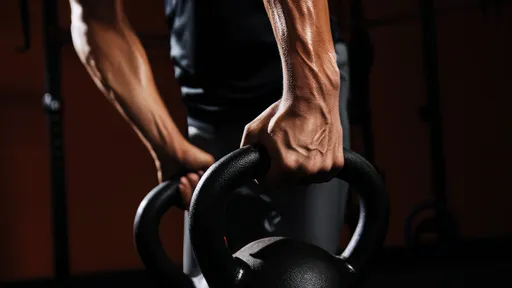
In the iron game, few limitations feel as personal and frustrating as grip failure. It’s the moment the bar starts to slip during a heavy deadlift, forcing an unceremonious end to the set long before your posterior chain has waved the white flag. It’s the burning forearms on the final pull-up rep that betray you, not a lack of lat strength. For many dedicated lifters, the hands become the weakest link in the kinetic chain, a maddening bottleneck that caps progress on some of the most fundamental strength movements. This isn't merely an inconvenience; it's a hard ceiling on performance that can stifle motivation and halt gains in their tracks.

The grip is a complex system of muscles, tendons, and nerves in the hands, wrists, and forearms. Its primary role is to create force to close the hand and stabilize the wrist. In the context of lifting, we’re often talking about crushing grip (like squeezing a gripper), supporting grip (like holding a deadlift), and pinching grip (holding a plate between the fingers and thumb). When we fail a lift due to grip, it’s almost always a supporting grip issue. The muscles of the forearm fatigue, the fingers can no longer maintain their contraction, and the bar wins the battle. The common reflex is to simply grab a pair of straps and move on. While straps are a valuable tool for specific purposes, relying on them as a permanent bypass ensures the grip weakness persists, forever limiting your raw strength.

To break through this barrier, a shift in mindset is required. Grip strength must be treated not as a passive outcome of other training, but as a dedicated skill to be trained with focus and intent. This means prioritizing it within your sessions, not just tacking on a few sets of wrist curls at the end when you’re already spent. The goal is to systematically overload the grip musculature just as you would your quads or pecs, forcing it to adapt and grow stronger. This dedicated approach pays dividends far beyond the weight room, enhancing performance in sports, improving resilience in daily tasks, and building a kind of rugged, functional strength that is deeply satisfying.

The most direct method for improving your deadlift hold is, unsurprisingly, to hold heavy weights. After your main working sets, consider implementing a static hold. Load a bar with more weight than your one-rep max deadlift (using safety pins or blocks to elevate it to lockout height is useful here). Grip the bar, stand up into a full lockout, and simply hold it for as long as possible. Aim for sets of 10 to 20 seconds. The intense strain forces rapid adaptations in the forearm muscles and tendons. Another brutal but effective tool is the fat bar. Using a thicker barbell or adding fat grip attachments dramatically increases the difficulty of holding any weight. The increased diameter reduces the ability of the fingers to wrap around the bar, placing a much greater demand on the grip. Even lighter weights become a formidable challenge, building immense strength in the hands and forearms.

While supporting grip is the usual culprit, developing a vice-like crushing grip has significant carryover. The stronger your hand can close, the more secure your hold on the bar will be from the moment you initiate the pull. Invest in a quality set of grippers. Train them like any other muscle, working in controlled sets and reps, focusing on squeezing with maximum force. Don’t just mash them mindlessly; concentrate on the squeeze at the top. Similarly, don’t neglect your extensors—the muscles that open the hand. Training them with rubber bands or specialized devices ensures muscular balance around the hand and wrist, which is crucial for health, preventing pain, and contributing to overall grip stability. A strong hand is a balanced hand.

Your grip is only as strong as the wrist stabilizing it. A wobbly wrist under a heavy load is a weak point. Exercises like farmers walks are arguably the single best overall grip and core exercise. Grab the heaviest dumbbells or specialty handles you can hold and walk for distance or time. This taxes every aspect of your grip, core stability, and conditioning. Plate pinches are another fantastic drill for developing thumb and finger strength, crucial for a complete grip profile. Pinch two smooth-sided weight plates together with one hand and hold for time. Even something as simple as taking a brief pause at the top of each rowing or pull-up repetition, squeezing the handle hard, can ingrain greater neural drive and toughness in your grip.

Consistency is the true key here. Grip strength responds well to frequent, even daily, stimulation, as long as volume and intensity are managed to avoid overuse injuries. This doesn’t mean maxing out on fat bar deadlifts every day. It could be doing a few sets of grippers in the evening, or pinching a pair of plates between your main lifts. This frequent practice tells your nervous system and musculoskeletal system that grip strength is a priority. Listen to your body. The hands and forearms are dense with connective tissue, which adapts more slowly than muscle. Sharp pain is a warning sign. A dull ache from a good workout is fine, but any acute, shooting pain means you need to back off. Patience and gradual progression will win this long game.

Breaking a grip bottleneck is about more than adding a few pounds to your deadlift. It’s about reclaiming autonomy over your strength journey. It’s about walking up to a heavy bar with the quiet confidence that your hands will not be the reason you fail. It’s the satisfaction of a firm handshake, the ability to open any jar, and the resilience that comes from forging strength in your very fingertips. By dedicating yourself to this often-overlooked aspect of training, you don’t just remove a weakness; you build a foundation of formidable, usable power that supports every other lift you do. The bar is waiting. Grab it.

Recommend Posts
Fitness

A Guide to Men's Sports Hairstyles Compatible with Helmets

By /Aug 25, 2025

For the active man, finding the perfect balance between style and functionality can be a constant challenge, especially when it involves headgear. The intersection of a great hairstyle and the necessity of wearing a helmet for sports like cycling, motorcycling, or skiing is a common point of friction. It’s not merely about aesthetics; it's about comfort, safety, and practicality. A helmet is non-negotiable for protection, but that doesn't mean your hair has to suffer or your style has to be completely abandoned. This guide delves into the nuances of selecting and maintaining a hairstyle that not only survives but thrives under a helmet.
Fitness

Breaking Through Grip Strength Plateau in Strength Training

By /Aug 25, 2025

In the iron game, few limitations feel as personal and frustrating as grip failure. It’s the moment the bar starts to slip during a heavy deadlift, forcing an unceremonious end to the set long before your posterior chain has waved the white flag. It’s the burning forearms on the final pull-up rep that betray you, not a lack of lat strength. For many dedicated lifters, the hands become the weakest link in the kinetic chain, a maddening bottleneck that caps progress on some of the most fundamental strength movements. This isn't merely an inconvenience; it's a hard ceiling on performance that can stifle motivation and halt gains in their tracks.
Fitness

Targeted Training for Abdominal Obesity in Middle-aged Men

By /Aug 25, 2025

As men cross the threshold into middle age, a familiar and frustrating transformation often begins to take hold around the midsection. The once-flat abdomen softens, the waistline expands, and the silhouette gradually shifts toward the classic apple shape that has become almost synonymous with male aging. This phenomenon, clinically known as android obesity or more commonly as abdominal obesity, is far more than a simple cosmetic concern. It represents a significant shift in body composition and a harbinger of potential health complications that demand a targeted and intelligent approach to exercise.
Fitness

Muscle-Building Phase: Strategies for Eating Out (Hot Pot/BBQ)

By /Aug 25, 2025

For fitness enthusiasts committed to building muscle, navigating restaurant menus while in a bulking phase can feel like a strategic operation. The goal is clear: consume a significant surplus of calories and protein to fuel muscle growth and recovery. However, this isn't a license for a nutritional free-for-all. The choices made during these external meals can either powerfully propel your progress or subtly undermine it with excessive poor-quality fats and empty calories. Among the myriad of dining options, two social and flavorful cuisines stand out for both their potential and their pitfalls: the communal feast of hot pot and the primal allure of barbecue. Mastering the strategy for these specific scenarios is a crucial skill for any serious lifter.
Fitness

Visual Body Fat Percentage Chart and Scientific Measurement Methods

By /Aug 25, 2025

In the evolving landscape of health and fitness, understanding body composition has become a cornerstone of personal wellness strategies. Among the various metrics used to assess physical health, body fat percentage stands out as a critical indicator, often regarded as more insightful than traditional measures like body mass index (BMI). While BMI provides a rough estimate based on height and weight, it fails to distinguish between muscle mass and fat mass, leading to potential misclassifications—especially for athletes or individuals with higher muscle density. Body fat percentage, however, offers a nuanced view by quantifying the proportion of fat relative to total body weight, enabling a more accurate assessment of health risks and fitness progress.
Fitness

Optimizing Men's Skincare and Post-Workout Cleansing Routine

By /Aug 25, 2025

In the modern era of self-care and wellness, the intersection of fitness and skincare has become a critical focus for men who are increasingly aware of the importance of maintaining healthy skin. The post-workout period, in particular, presents a unique set of challenges and opportunities for skin health. Sweat, bacteria, and environmental pollutants accumulated during exercise can clog pores, cause breakouts, and lead to irritation if not addressed properly. However, with a thoughtful and optimized cleansing routine, men can turn their post-exercise regimen into a powerful tool for enhancing skin vitality and resilience.
Fitness

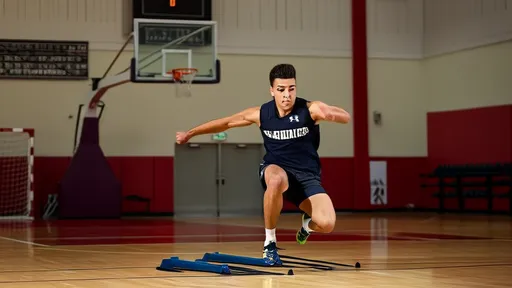
Special Physical Energy Reserve for Intermittent Sports like Football and Basketball

By /Aug 25, 2025

In the high-stakes world of professional sports, the conversation around athletic preparation has evolved dramatically. While raw talent and skill remain fundamental, the critical differentiator in sports like football and basketball increasingly lies in an athlete's specialized physical conditioning. These intermittent, high-intensity sports demand a unique physiological profile—one that cannot be developed through generic fitness regimens. The modern athlete is a finely tuned engine, and their fuel is a meticulously planned and executed program of intermittent sport-specific conditioning.
Fitness

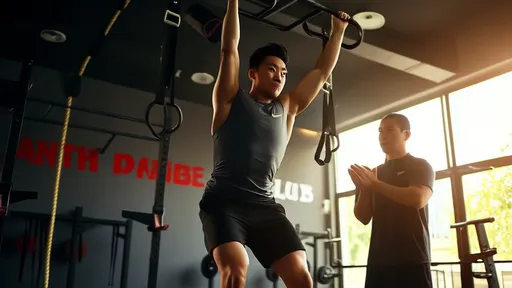
Breaking Through the Zero" Pull-Up Barrier: A Step-by-Step Auxiliary Training Ladder

By /Aug 25, 2025

Breaking through the elusive first pull-up remains one of the most common and frustrating fitness milestones. Many enthusiasts spend months, even years, staring up at that bar, feeling the goal perpetually out of reach. The journey from zero to one is less about raw strength and more about a strategic, patient approach that builds the necessary musculature and neural pathways. This isn't a sprint; it's a meticulously crafted ladder of progression where each rung solidifies the foundation for the next.
Fitness

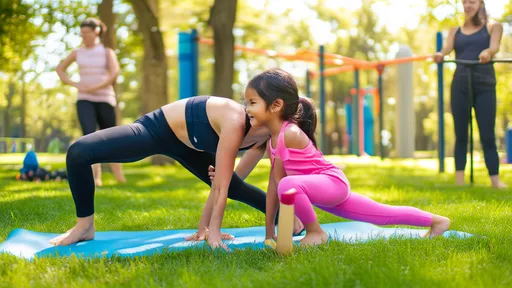
Cultivating Exercise Habits and Interests Across Generations: Mother and Daughter

By /Aug 25, 2025

In the quiet hours of early morning, before the world fully awakens, a familiar scene unfolds in parks and neighborhoods across the globe. A mother and daughter, side by side, their breath forming small clouds in the crisp air as they move in rhythm—sometimes running, sometimes walking, but always together. This shared commitment to movement represents more than just physical exercise; it embodies a profound transfer of values, habits, and connection that transcends generations.
Fitness

Female Health Screening Programs and Exercise Safety Assessment

By /Aug 25, 2025

In the evolving landscape of healthcare, the integration of specialized screening programs and proactive safety assessments has become increasingly vital. Among these, women's health screenings and exercise safety evaluations represent two critical pillars that, when understood and utilized together, can significantly enhance overall well-being and quality of life. These are not isolated components but interconnected aspects of a holistic approach to health that empowers women to take charge of their bodies with knowledge and confidence.
Fitness

Appetite Fluctuations and Dietary Management Before Menstruation

By /Aug 25, 2025

As the menstrual cycle progresses, many women notice distinct changes in their bodies, and one of the most commonly reported shifts revolves around appetite. In the days leading up to menstruation, it’s not unusual to experience cravings, hunger pangs, or even aversions to certain foods. This phenomenon is deeply intertwined with the hormonal fluctuations that characterize the premenstrual phase, and understanding these changes can empower individuals to navigate this time with greater ease and mindfulness.
Fitness

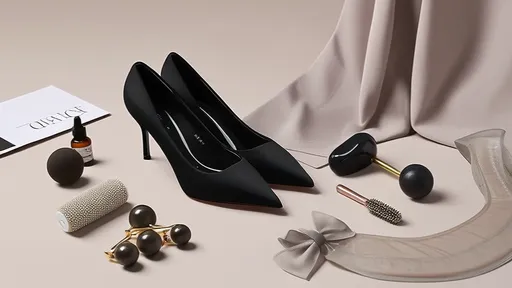
Arch Support Emergency Kit for High Heels Wearers

By /Aug 25, 2025

For the dedicated high heel enthusiast, the allure of elevated footwear comes with an unspoken physical toll. The elegant arch and dramatic pitch that define these stylish shoes often place the feet in a biomechanically compromised position, leading to a cascade of stress that culminates in the inflammation of the plantar fascia. This thick band of tissue running along the bottom of the foot, from heel to toe, bears the brunt of this fashionable burden. Over time, the constant strain can lead to micro-tears, stiffness, and the sharp, stabbing pain characteristic of plantar fasciitis. Recognizing this, a well-curated emergency relief kit is not a luxury but a necessity for any woman whose lifestyle or profession demands long hours in heels. It is a proactive measure, a form of self-care that acknowledges the physical demands of style and arms the wearer with the tools to combat them effectively.
Fitness

Yoga Pants Pressure Grading Matching with Exercise Types

By /Aug 25, 2025

In the ever-evolving landscape of activewear, few garments have garnered as much attention and devotion as yoga pants. Beyond their aesthetic appeal and comfort, one of the most critical yet often overlooked aspects is their compression level. Understanding the gradation of pressure in these garments and aligning it with specific movement disciplines is not merely a matter of preference; it is a science that can profoundly impact performance, recovery, and overall physical well-being. This nuanced relationship between fabric tension and biomechanics forms the cornerstone of a truly optimized athletic experience.
Fitness

Wake-Up Plan for Office Workers' Gluteal Amnesia"

By /Aug 25, 2025

In the humming heart of the modern corporate world, a silent physiological phenomenon is unfolding within the bodies of countless office workers. Dubbed "gluteal amnesia" or "dead butt syndrome" in more colloquial terms, this condition is not a literal forgetting but a functional deactivation of the body's largest and most powerful muscle group. The gluteus maximus, medius, and minimus, crucial for stability, power, and posture, are essentially switching off after prolonged periods of inactivity and compression in a seated position. The consequences of this shutdown ripple far beyond a less-toned appearance, contributing to a cascade of musculoskeletal issues that can define daily discomfort and long-term health.
Fitness

Common Misconceptions in Weight Selection for Women's Strength Training

By /Aug 25, 2025

When it comes to women and weight training, there exists a pervasive misconception that lighter weights are inherently safer and more appropriate. Many women enter the gym with the intention of "toning" rather than building muscle, a goal they believe is best achieved with high repetitions of minimal resistance. This philosophy, while well-intentioned, is rooted in a fundamental misunderstanding of how the female body responds to strength training and ultimately limits the potential for achieving true strength, metabolic health, and body composition changes.
Fitness

Gentle Upper Body and Core Training for Nursing Mothers

By /Aug 25, 2025

For new mothers navigating the beautiful yet demanding journey of breastfeeding, finding time and energy for physical activity can often feel like a distant dream. The focus is rightly on the newborn, leaving little room for personal care. However, incorporating gentle, targeted exercise into a daily routine is not only possible but can be profoundly beneficial for both physical recovery and mental well-being. This article delves into the importance of safe and effective upper body and core strengthening exercises specifically designed for breastfeeding mothers, offering a pathway to renewed strength and confidence during this special chapter of life.
Fitness

Pregnancy Safety Exercise List and Absolutely Forbidden Movements

By /Aug 25, 2025

Pregnancy is a transformative journey that invites both celebration and caution, particularly when it comes to physical activity. The notion that expectant mothers should avoid all exercise is outdated; in fact, staying active can yield profound benefits for both maternal and fetal health. However, the key lies in understanding which movements are safe and which pose absolute risks. This guide delves into the nuances of prenatal fitness, offering evidence-based insights to help you navigate this special time with confidence and care.
Fitness

Training Intensity Recommendations Table for Different Stages of the Physiological Cycle

By /Aug 25, 2025

For female athletes and fitness enthusiasts, understanding how hormonal fluctuations throughout the menstrual cycle impact physical performance can be transformative. The ebb and flow of estrogen and progesterone don't just regulate reproduction; they significantly influence energy levels, recovery capacity, and even injury risk. By aligning training intensity with these natural hormonal phases, women can work with their bodies rather than against them, potentially unlocking new levels of performance and well-being that a one-size-fits-all training plan often overlooks.
Fitness

Neurological Relaxation Techniques After High-Intensity Training

By /Aug 25, 2025

After pushing your body to its absolute limits with high-intensity training, the nervous system remains in a heightened state of alert. This state, often characterized by elevated heart rate, muscle tension, and mental arousal, is a natural physiological response to strenuous activity. However, lingering in this activated state can hinder recovery, impede performance gains, and even lead to burnout or injury over time. The art of winding down this internal alarm system is therefore not a luxury, but a critical component of any serious training regimen. It is the bridge between the exertion of the workout and the supercompensation that leads to growth.
Fitness

Strategies for Ensuring Protein Intake During Travel

By /Aug 25, 2025

Traveling opens up new horizons, but it often disrupts our daily routines, particularly when it comes to maintaining adequate protein intake. For fitness enthusiasts, athletes, or even health-conscious individuals, ensuring consistent protein consumption while on the move can be a challenging yet crucial aspect of their journey. Without proper planning, travelers might find themselves relying on convenience foods that are high in carbs and fats but low in quality protein, leading to decreased energy levels, muscle loss, or weakened immunity. However, with a strategic approach, it is entirely possible to meet your protein needs and enjoy your travels to the fullest.