In the evolving landscape of healthcare, the integration of specialized screening programs and proactive safety assessments has become increasingly vital. Among these, women's health screenings and exercise safety evaluations represent two critical pillars that, when understood and utilized together, can significantly enhance overall well-being and quality of life. These are not isolated components but interconnected aspects of a holistic approach to health that empowers women to take charge of their bodies with knowledge and confidence.
Women's health screenings encompass a range of tests and examinations designed to detect potential health issues before symptoms arise or conditions become advanced. From adolescence through post-menopause, these screenings are tailored to address the unique physiological and hormonal changes women experience. Key screenings often include mammograms for breast cancer detection, Pap smears and HPV tests for cervical health, bone density scans for osteoporosis risk, and assessments for cardiovascular health, which remains a leading concern. The timing and frequency of these screenings are typically guided by age, family history, and individual risk factors, making personalized healthcare plans essential.
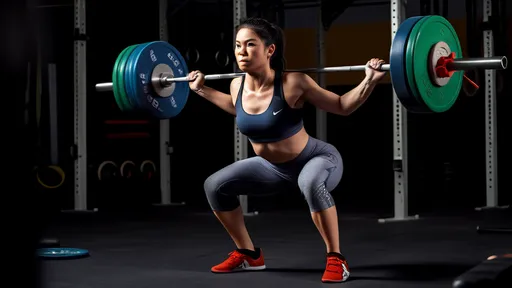
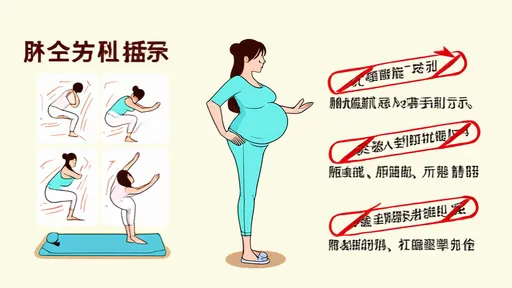
Parallel to preventive screenings is the growing emphasis on exercise safety assessments. Physical activity is universally endorsed for its myriad benefits, including improved mental health, weight management, and reduced risk of chronic diseases. However, without proper evaluation, exercise can also pose risks, particularly for those with underlying health conditions or those engaging in new or intense regimens. An exercise safety assessment typically involves evaluating cardiovascular fitness, musculoskeletal health, and any pre-existing conditions that might necessitate modifications to exercise routines. For women, factors such as pregnancy, postpartum recovery, or hormonal fluctuations like those during perimenopause, require special consideration in these assessments.
The synergy between regular health screenings and exercise safety evaluations cannot be overstated. For instance, a woman who undergoes a cardiac screening might discover asymptomatic issues that could be exacerbated by high-intensity workouts. With this knowledge, a tailored exercise plan can be developed to ensure she reaps the benefits of physical activity without undue risk. Similarly, bone density results might influence the recommendation of weight-bearing exercises to strengthen skeletal health. This integrated approach ensures that exercise prescriptions are not only effective but also safe, aligning with the individual's current health status.
Moreover, education plays a pivotal role in maximizing the benefits of both health screenings and exercise safety. Understanding the purpose behind each screening—why it's recommended, what it entails, and how often it should be repeated—empowers women to be proactive participants in their healthcare. Likewise, comprehending the principles of exercise safety, such as the importance of proper form, adequate warm-ups, and listening to one's body, helps prevent injuries and promotes sustainable fitness habits. Healthcare providers increasingly prioritize this educational component, recognizing that informed patients are more likely to adhere to screening schedules and exercise recommendations.
Technological advancements have further revolutionized both fields. In women's health, innovations like 3D mammography and genetic testing for hereditary cancer risks have improved early detection accuracy. In exercise safety, wearable technology can monitor heart rate, sleep patterns, and activity levels, providing real-time data that can be shared with healthcare professionals for more nuanced assessments. These tools not only enhance the precision of evaluations but also make health monitoring more accessible and engaging for women juggling busy lives.
Despite these advancements, barriers to accessing both screenings and exercise assessments persist. These include lack of awareness, financial constraints, and cultural or social stigmas. Addressing these challenges requires concerted efforts from healthcare systems, community organizations, and policymakers to ensure that all women, regardless of background, can benefit from these essential services. Initiatives like mobile screening units, subsidized programs, and public health campaigns have shown promise in bridging these gaps.
Looking ahead, the future of women's health and exercise safety lies in even greater personalization and integration. Emerging research on how factors like genetics, microbiome, and environmental influences affect health will lead to more customized screening protocols and exercise recommendations. The goal is to move beyond one-size-fits-all guidelines to strategies that are as unique as the individuals they serve.
In conclusion, the combined focus on women's health screenings and exercise safety assessments represents a powerful paradigm in preventive medicine. By detecting health issues early and ensuring that physical activity is both beneficial and safe, women can maintain vitality and reduce health risks throughout their lives. As awareness grows and access improves, this dual approach will undoubtedly become a cornerstone of comprehensive healthcare, fostering a culture of prevention and empowerment.

By /Aug 25, 2025
By /Aug 25, 2025

By /Aug 25, 2025

By /Aug 25, 2025
By /Aug 25, 2025

By /Aug 25, 2025

By /Aug 25, 2025
By /Aug 25, 2025

By /Aug 25, 2025

By /Aug 25, 2025

By /Aug 25, 2025

By /Aug 25, 2025
By /Aug 25, 2025

By /Aug 25, 2025
By /Aug 25, 2025

By /Aug 25, 2025
By /Aug 25, 2025
By /Aug 25, 2025

By /Aug 25, 2025

By /Aug 25, 2025
