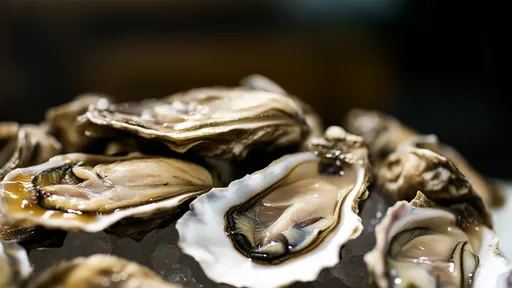
There is a particular thrill that comes with ordering oysters at a restaurant or selecting them fresh from a seafood market. That briny, oceanic taste, the cool, smooth texture—it’s an experience deeply connected to the freshness of the bivalve. The cardinal rule of oyster consumption is simple: they must be alive until the moment they are shucked and served. A dead oyster is not only unpalatable but can pose a significant health risk. Therefore, for chefs, seafood purveyors, and discerning diners alike, knowing how to discern a living, breathing oyster from one that has passed on is an essential skill, a blend of artisanal knowledge and sensory observation.
The most telling sign of a live oyster is its tightly closed shell. An oyster is a filter feeder, and it keeps seawater inside its shell to obtain oxygen and nutrients. A healthy, living oyster will keep its two shells clamped firmly shut as a defense mechanism. If you pick up an oyster and the shell is gaping open, that is your first red flag. However, this is not an immediate death sentence. Sometimes, an oyster might relax its adductor muscle and open slightly. The critical test is to give it a firm tap with your finger or another oyster. A live oyster will sense this disturbance and will promptly snap its shell shut. If it remains open and unresponsive, it is almost certainly dead and should be discarded without hesitation.
Beyond the tap test, the weight of the oyster speaks volumes. A live oyster is heavy for its size because it is full of seawater, or liquor, which is the natural juice inside the shell. This liquor is the essence of the oyster's environment and is a sign of its vitality. When you hold a live oyster in your hand, it should feel substantial, like a smooth, cold stone brimming with liquid life. A shell that feels suspiciously light often indicates that the oyster has died and the liquor has leaked out, desiccating the meat inside. This lightness is a silent but clear indicator that the oyster is no longer fit for consumption.
The aroma that emanates from an oyster is another powerful diagnostic tool. A fresh, live oyster should smell clean and distinctly of the ocean—a refreshing, salty, and slightly sweet breeze. It is the smell of sea spray and crisp air. There should be no overtly fishy, sour, or ammonia-like odor. A strong, offensive, or pungent smell is a definitive warning sign of spoilage. Bacteria begin breaking down the tissue of a dead oyster very quickly, producing compounds that create these unpleasant and potent odors. Your nose is one of the most sensitive instruments you have; trust it implicitly. If it smells wrong, it is wrong.
For those who have the opportunity to examine an oyster before it is shucked, visual inspection of the shell itself can offer clues. While blemishes, bumps, and a generally rugged appearance are normal and simply reflect the oyster’s growth environment, there are some things to avoid. Be wary of shells that are excessively cracked, chipped, or damaged, as this can compromise the oyster's seal and allow contaminants to enter, potentially killing it prematurely. Additionally, while some mud and seaweed clinging to the shell are expected, an overabundance of dirt might suggest poor handling or storage conditions, which could affect the oyster's vitality.
Once the oyster is shucked, the visual assessment enters its final and most crucial phase. The presentation of the oyster meat itself is the ultimate truth teller. A pristine, live oyster will have plump, glossy meat that appears full and almost buoyant in its own liquor. The color can vary from a pale, creamy beige to a deeper gray or even a subtle greenish hue, depending on the species and its diet, but it should always look vibrant and moist. The liquor should be clear or slightly cloudy, but never murky or milky. Perhaps the most definitive post-shuck test is to gently prod the meat with a knife tip or your finger. A live oyster will contract slightly when touched. This faint, almost imperceptible movement is the final confirmation of life. A completely limp, unresponsive, or shriveled piece of meat indicates an oyster that died well before it met the knife.
Understanding the journey of the oyster from bed to plate is also key to ensuring its vitality. Proper storage is non-negotiable. Live oysters must be kept cold and humid, typically between 35°F and 45°F (1.5°C to 7°C), and always stored cup-side down or on a flat surface. This positioning ensures the precious liquor remains inside the shell, keeping the oyster alive and hydrated. They should never be submerged in fresh water or sealed in an airtight container, as both will suffocate them. A reputable supplier will have a high turnover and meticulous cold chain management, ensuring the oysters you receive have spent minimal time out of their ideal conditions.
In the end, consuming an oyster is an act of trust and appreciation for a delicate product of the sea. The methods to judge its liveliness—the closed shell, the responsive tap, the heavy weight, the clean ocean scent, and the vibrant, contracting meat—are time-honored techniques used by experts and enthusiasts around the world. They require no special equipment, just attentive senses and a respect for the ingredient. By applying these observations, you can confidently ensure that every oyster you serve or eat is at the peak of freshness, offering that unparalleled taste of the cold, clean sea, delivered with its life force intact.
By /Aug 29, 2025

By /Aug 29, 2025

By /Aug 29, 2025
By /Aug 29, 2025
By /Aug 29, 2025
By /Aug 29, 2025
By /Aug 29, 2025
By /Aug 29, 2025

By /Aug 29, 2025
By /Aug 29, 2025

By /Aug 29, 2025
By /Aug 29, 2025
By /Aug 29, 2025
By /Aug 29, 2025
By /Aug 29, 2025

By /Aug 29, 2025
By /Aug 29, 2025

By /Aug 29, 2025
By /Aug 29, 2025

By /Aug 29, 2025
