In the quiet corners of Tokyo's Imperial University, a curious scientist named Kikunae Ikeda paused over his evening bowl of dashi. The year was 1908, and as he savored the savory broth made from kombu seaweed, Professor Ikeda found himself contemplating a flavor that defied existing classification. It wasn't sweet like sugar, sour like vinegar, salty like seawater, or bitter like medicinal herbs. This distinct sensation lingering on his palate represented something entirely different—something he would later name "umami," from the Japanese words for "delicious" and "taste."
Professor Ikeda's culinary curiosity launched a scientific journey that would span nearly a century before gaining widespread recognition. Through meticulous research, he isolated the compound responsible for this unique taste: glutamate, an amino acid present in the kombu seaweed that formed the foundation of his dashi. Ikeda's discovery challenged the established Western paradigm of four basic tastes, proposing instead a fifth fundamental taste sensation that would eventually revolutionize our understanding of human gustatory perception.
The scientific community initially met Ikeda's proposition with skepticism. For decades, umami remained largely unrecognized outside Japan, often dismissed as merely a combination of existing tastes or a cultural peculiarity rather than a distinct physiological phenomenon. The breakthrough came in 2000 when researchers at the University of Miami identified specific taste receptors on the human tongue specifically designed to detect glutamate compounds. This biological validation finally secured umami's place alongside sweet, sour, salty, and bitter as one of the five basic tastes.
Understanding the umami taste requires moving beyond simple definitions. Unlike other tastes that can be easily pinpointed—sweetness in sugar, saltiness in potato chips—umami presents itself more subtly, often described as savory, meaty, or broth-like. It creates a mouthwatering sensation, enhancing and rounding out other flavors rather than dominating them. Scientifically, umami represents our taste buds' recognition of L-glutamate and certain nucleotides, particularly inosinate and guanylate, which occur naturally in various foods.
The magic of umami truly reveals itself when these compounds interact. Foods containing both glutamate and nucleotides create a synergistic effect where the umami taste becomes exponentially stronger than the sum of its parts. This explains why certain culinary combinations—like Parmesan cheese on tomato sauce or beef with mushrooms—create such profoundly satisfying flavors. Our evolutionary biology likely developed umami receptors to identify protein-rich foods, making this taste sensation fundamentally linked to nourishment and survival.
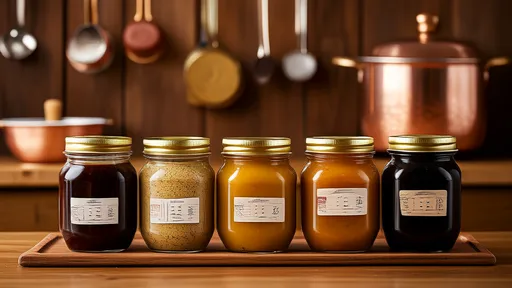
Traditional Japanese cuisine has long celebrated umami-rich ingredients, often without scientific understanding. Dashi, the broth that sparked Ikeda's revelation, remains the cornerstone of Japanese cooking. Made from kombu (dried kelp) and katsuobushi (dried bonito flakes), dashi exemplifies the glutamate-inosinate synergy that creates profound umami depth. Similarly, fermented products like miso paste and soy sauce develop intense umami characteristics through processes that break down proteins into free glutamate.
Beyond Japan, umami appears in culinary traditions worldwide. The ancient Romans created garum, a fermented fish sauce that added savory depth to their dishes, while Asian cultures developed fish sauces and shrimp pastes that served similar purposes. In Italy, aged cheeses like Parmigiano-Reggiano and Pecorino Romano concentrate glutamate through extended aging processes. Cured meats like Spanish jamón ibérico or Italian prosciutto develop rich umami notes through careful drying and fermentation.
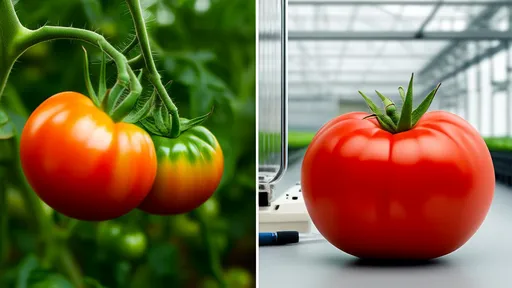
Tomatoes represent perhaps the most familiar umami source in Western cooking. As tomatoes ripen, their glutamate content increases dramatically, explaining why sun-ripened tomatoes taste so much more flavorful than their greenhouse-grown counterparts. When cooked into sauces or concentrated into pastes, tomatoes become umami powerhouses. Similarly, mushrooms—particularly dried shiitakes—contain high levels of guanylate, making them valuable for building savory depth in vegetarian dishes.
The human experience of umami begins at the earliest stage of life. Breast milk contains surprisingly high levels of glutamate—higher than cow's milk—suggesting that our attraction to this taste is innate. This early exposure may explain the universal appeal of umami-rich foods across cultures and cuisines. Modern food science has capitalized on this biological predisposition through the development of monosodium glutamate (MSG), which Ikeda patented shortly after his discovery as a way to easily incorporate umami into foods.
MSG's controversial history represents an unfortunate chapter in umami's story. Despite numerous scientific studies confirming its safety, MSG became stigmatized following reports of "Chinese Restaurant Syndrome" in the 1960s. Subsequent research has largely debunked these claims, with organizations including the FDA and World Health Organization affirming MSG's safety. However, the stigma persists in popular consciousness, creating a disconnect between scientific understanding and public perception.
Contemporary chefs have embraced umami as a fundamental tool for creating deeply satisfying dishes. From fine dining establishments to home kitchens, understanding how to layer and balance umami sources has become essential culinary knowledge. Techniques like aging, fermenting, drying, and slow-cooking all develop umami characteristics by breaking down proteins into free glutamate. The modern appreciation for umami represents a convergence of scientific discovery and culinary tradition, validating what cooks have understood intuitively for centuries.
Nutritionally, umami-rich foods often align with healthy eating patterns. Many natural umami sources—vegetables, seafood, fermented products—form the foundation of diets associated with longevity, such as the Mediterranean and traditional Japanese diets. Understanding umami allows chefs to create deeply flavorful dishes while reducing reliance on salt, sugar, and fat, making it a valuable tool for health-conscious cooking. This aspect has particular relevance as global health organizations continue advocating for reduced sodium consumption.
The commercial food industry has extensively incorporated umami principles, even when avoiding the term MSG. Ingredient lists frequently include hydrolyzed vegetable protein, autolyzed yeast extract, and other compounds that essentially function as umami enhancers. While these processed ingredients differ from traditional umami sources, they work on the same scientific principles, demonstrating how thoroughly umami understanding has permeated food development.
Looking forward, umami research continues evolving. Scientists are exploring how umami perception varies among individuals and how it interacts with other senses like smell and texture. Research into "kokumi"—a Japanese concept describing richness and mouthfeel—suggests we may be on the verge of identifying additional taste dimensions beyond the basic five. As our understanding deepens, we continue appreciating the remarkable complexity of human taste perception.
From Professor Ikeda's humble bowl of soup to sophisticated modern cuisine, the journey of umami recognition reflects broader themes in scientific progress: the resistance to paradigm shifts, the eventual triumph of evidence over tradition, and the beautiful intersection between scientific discovery and cultural practice. This fifth taste reminds us that sometimes the most profound discoveries emerge from paying attention to everyday experiences—like noticing something special about a simple bowl of broth.
Today, umami stands not as a exotic concept but as a fundamental aspect of human sensory experience. It connects diverse culinary traditions across time and geography, representing a universal pursuit of deliciousness that transcends cultural boundaries. Whether enjoyed in a meticulously crafted dashi, a slowly simmered ragu, or a perfectly ripe tomato, umami continues to delight palates and deepen our understanding of what makes food truly satisfying.

By /Aug 29, 2025

By /Aug 29, 2025
By /Aug 29, 2025

By /Aug 29, 2025
By /Aug 29, 2025

By /Aug 29, 2025

By /Aug 29, 2025

By /Aug 29, 2025

By /Aug 29, 2025

By /Aug 29, 2025

By /Aug 29, 2025
By /Aug 29, 2025
By /Aug 29, 2025
By /Aug 29, 2025
By /Aug 29, 2025

By /Aug 29, 2025
By /Aug 29, 2025

By /Aug 29, 2025
By /Aug 29, 2025

By /Aug 29, 2025
